Signals you can notice early
When focus drifts or shoulders tighten, the day is often asking for a slower exhale or a change of posture before the next block of work begins.
This United States–oriented library explores scheduling buffers, sleep cues, and pauses from screens using descriptive lifestyle language rather than promises about results.
Most days ask for steady attention. Short rest buffers make that attention feel lighter without demanding a full schedule overhaul.
When focus drifts or shoulders tighten, the day is often asking for a slower exhale or a change of posture before the next block of work begins.
Layering brief pauses between meetings, chores, and screens adds predictable gaps in your schedule so steady effort feels less compressed hour after hour.
Fitnesssweep shares compact rituals that match apartment living, commute days, and hybrid schedules common in the United States.
A simple hour-by-hour sketch helps you align demanding tasks with moments when you usually feel alert, reserving low-key work for softer stretches.
Two-minute posture shifts, stair strolls, or a glass of water across the hall interrupt visual fixation and give posture a neutral reset between deep-focus sprints.
Note start times, meals, usual beverages, and the hours when motivation naturally dips. Patterns become obvious quickly.
Use light, medium, and heavy tags so you can slide lighter jobs into softer hours without guilt.
Place five-minute buffers before and after demanding blocks so transitions feel humane instead of rushed.

Keeping a predictable wind-down window, dim light static, and a cool room sets the stage for mornings that already feel paced rather than abrupt.
Swap scrolling for paper reading, gentle stretching, or a slow cup of herbal tea. The cue matters more than the exact minute you fall asleep.
Shoulder rolls, calf pumps, and standing stretches interrupt long stillness without requiring gym clothes or a full workout block.
Pair each micro-session with a sip of water or a glance out the window so your eyes refocus on distant points.
Browse everyday movement habits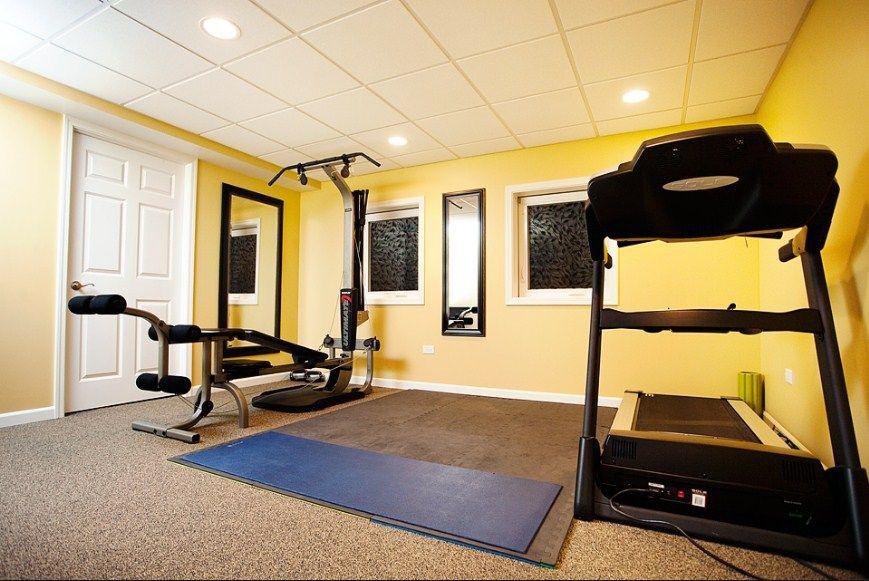
Lower volume playlists, warm lamps, and offline hobbies give your senses a predictable landing after bright screens and city noise.
Choose steady tempos or ambient textures without abrupt jumps so your attention can float instead of chase.
Puzzles, bread kneading, or simple sketching occupy the hands while the mind loosens its grip on the work inbox.

Closing laptops inside a drawer, changing clothes, or walking the block before dinner marks the shift so evening rest feels intentional.
Even five minutes outside between remote meetings gives weather cues and horizon views that cubicles rarely supply.
Browse habits for weekday scaffolding, guides for deeper reading, or send the editorial inbox a note—responses describe publicly posted topics rather than individualized coaching.
Stack tiny routines so reminders appear beside chores or alarms instead of relying on memory alone.
Open the habits libraryOn-page pacing outlines for travel weeks, exam seasons, or household projects that need extra buffers—copy ideas manually if you want them offline.
Browse field guidesAsk questions about where topics live on fitnesssweep.world or share corrections—staff reply with pointers to reading sections, not personalized plans.
Go to contactStraightforward editorial answers alongside anonymized composites—never medical testimonials or paid endorsements.
The short quotations below combine recurring inbox tones into fictional vignettes so readers can sense editorial voice. They are not evidence of outcomes, not paid promotions, and must not be interpreted as supplement or treatment claims.
“I treat these pages like a scheduling checklist for breaks—nothing here replaces advice I might seek elsewhere.”
“Skimming habits at lunch works because the tone stays descriptive; I still adapt every idea to my own week.”
“Clear formatting matters more than hype; this site reads calm and avoids loud guarantees.”
Editors summarize behavioral literature at a high level: varied sensory input between tasks can make manual scheduling feel less rigid, yet experiences differ widely.
Anchor one predictable pause after the busiest hour you can name, then layer extras only when windows appear. Imperfect consistency still clarifies intent.
Fitnesssweep processes limited data to operate contact requests and optional analytics. Review the Privacy Policy for lawful bases, retention, and your GDPR rights before continuing.
Read Privacy Policy